
Gut Health and Mental Health: The Proven Connection
The Link Between Gut Health and Mental Health
If you've ever felt "butterflies" before a big presentation or experienced digestive issues during stressful periods, you've already experienced the gut-brain connection firsthand. But this relationship runs far deeper than occasional nervous stomach - emerging research reveals that the health of your digestive system may be one of the most important factors influencing your mood, anxiety levels, and overall mental wellbeing.
Understanding the Gut-Brain Axis
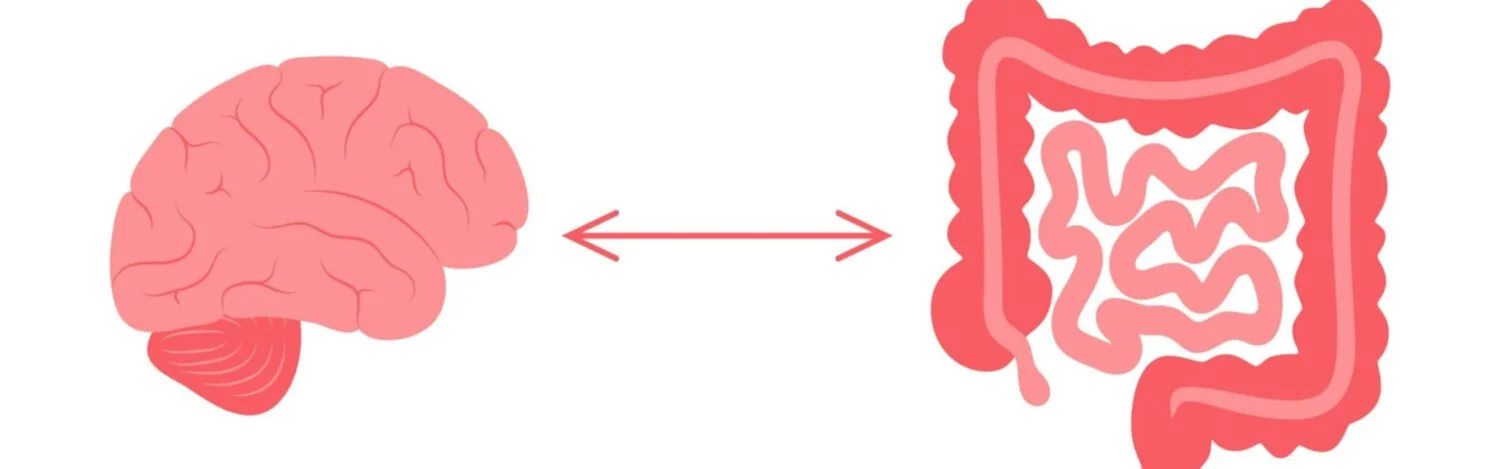
Your digestive tract houses trillions of bacteria collectively known as the gut microbiota. These microscopic organisms do far more than help digest food - they communicate directly with your brain through the gut-brain axis, a complex bidirectional network involving neural pathways, hormones, and immune signals.
This two-way communication system means your gut health directly influences how you feel emotionally and mentally. When your gut microbiome is balanced and thriving, it supports stable mood and healthy stress responses. However, when gut bacteria become imbalanced - a condition called dysbiosis - it can contribute to anxiety, low mood, brain fog, and difficulty managing stress.
Recent studies from institutions like Stanford Medicine have shown links between poor gut health and conditions including anxiety disorders, depression, and even cognitive decline. The evidence of this connection highlights why supporting your digestive system isn't just about physical comfort - it's a foundation for mental wellness too.
How Poor Gut Health Affects Your Mental Wellbeing
When your gut microbiome is out of balance, several things happen that can directly impact how you feel:
Inflammation increases throughout the body. An unhealthy gut can trigger systemic inflammation, which research increasingly links to mood disorders and anxiety. This inflammatory response doesn't stay confined to your digestive system - it affects brain function and neurotransmitter production.
Neurotransmitter production becomes disrupted. Your gut bacteria produce and regulate key brain chemicals including serotonin (often called the "happiness hormone"), dopamine, and GABA. In fact, approximately 90% of your body's serotonin is produced in the gut, where it plays a central role in digestion, gut immunity, and communication with the brain via the gut-brain axis. While most of this gut-produced serotonin works locally rather than travelling directly to the brain, emerging research shows it can still influence mood and cognitive function indirectly. When gut health suffers, so does the production of these mood-regulating chemicals.
The stress response becomes harder to manage. A healthy gut microbiome helps regulate your body's cortisol production and stress response. Dysbiosis can make you more reactive to daily stressors and less resilient in challenging situations. (See our STRESS RELIEF page here)
Nutrient absorption declines. Even if you eat well, an unhealthy gut struggles to properly absorb the vitamins, minerals, and amino acids your brain needs to function optimally. This can lead to deficiencies that affect mood, energy, and cognitive performance.
Supporting Your Gut to Support Your Mind
The encouraging news is that you can take practical steps to nurture your gut microbiome and, in turn, support better mental health. Here are evidence-based approaches that make a real difference:
Probiotics: Replenishing Beneficial Bacteria
Probiotics are live beneficial bacteria that help restore balance to your gut microbiome. You can find them in fermented foods like yoghurt, kefir, kimchi, and sauerkraut, or through targeted probiotic supplements.
Recent research published in scientific journals suggests that regular probiotic supplementation can have modest but meaningful positive effects on mood, stress resilience, and cognitive function. While probiotics aren't a cure-all, they represent a practical, evidence-based tool for supporting both digestive and mental wellness.
L-Glutamine: Protecting Your Gut Lining
L-Glutamine is an amino acid that plays a crucial role in maintaining the integrity of your intestinal barrier - often called "gut barrier function." A healthy gut lining prevents unwanted substances from entering your bloodstream while allowing beneficial nutrients through.
For people experiencing digestive discomfort or suspected gut permeability issues (sometimes called "leaky gut"), L-Glutamine supplementation may help repair and strengthen the intestinal lining. Many people report that as their digestive symptoms improve, they also experience better mental clarity, stable energy, and improved overall wellbeing.
Fibre: Feeding Your Beneficial Bacteria
Dietary fibre, particularly prebiotic fibres like inulin and psyllium, acts as fuel for the beneficial bacteria in your gut. When these good bacteria feed on fibre, they produce short-chain fatty acids that reduce inflammation, support gut lining health, and positively influence brain function.
Fibre supplements can be especially helpful if your diet is low in plant-based foods. By promoting healthy digestion and supporting a thriving gut environment, adequate fibre intake may contribute to more stable mood and reduced anxiety.
Beyond Supplements: Lifestyle Factors That Matter
While targeted supplements can provide meaningful support, they work best as part of a holistic approach to gut and mental health:
Eat a diverse, plant-rich diet. The more variety in your diet, especially from vegetables, fruits, whole grains, and legumes, the more diverse and resilient your gut microbiome becomes.
Manage stress effectively. Chronic stress directly harms gut health by altering the composition of gut bacteria and increasing intestinal permeability. Practices like meditation, deep breathing, regular exercise, and adequate downtime all support both gut and mental wellness. (See our STRESS RELIEF page here)
Prioritise quality sleep. Your gut microbiome follows a circadian rhythm just like you do. Poor sleep disrupts gut bacteria balance, while good sleep supports it. Aim for 7-9 hours of consistent, quality sleep. (see our SLEEP page here)
Stay physically active. Regular exercise positively influences gut microbiome diversity and composition while simultaneously supporting mental health through multiple pathways.
Limit gut disruptors. Excessive alcohol, processed foods high in sugar and unhealthy fats, and unnecessary antibiotic use can all negatively impact your gut microbiome.
The FeelRight Take
The connection between gut health and mental health is no longer speculation - it's supported by robust scientific evidence that continues to grow. Your gut isn't just responsible for digestion; it's intricately connected to how you feel, think, and respond to the world around you.
By nurturing your gut microbiome through thoughtful supplementation, a balanced diet, and healthy lifestyle habits, you're investing in both your digestive comfort and your mental wellbeing. Whether you're looking to feel calmer, more energised, clearer-minded, or simply more resilient in the face of daily stress, supporting your gut health is a practical, evidence-based place to start.