
Debunking Common Myths About Menstrual Pain
(Check out our MENSTRUAL PAIN RELIEF page for more)
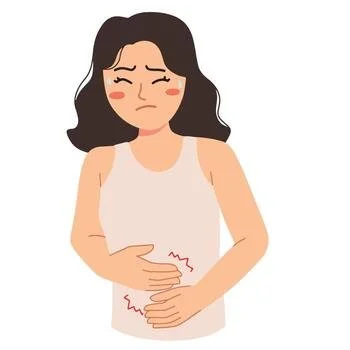
Menstrual pain is one of those experiences that's simultaneously very common and very misunderstood. Despite affecting millions of people every month, it remains surrounded by myths, outdated advice, and — perhaps most damagingly — a culture of simply putting up with it. Getting to grips with the facts isn't just empowering; it can genuinely change how you manage your cycle and when you seek support.
Here, we take on some of the most persistent misconceptions about period pain — and replace them with what the evidence actually says.
Myth 1: All Menstrual Pain Is Normal
This is one of the most common and most harmful myths around. Mild discomfort and lower abdominal cramping during menstruation are indeed common — but severe pain that interferes with work, school, or daily life is not something you simply have to accept as normal.
Debilitating period pain can be a sign of an underlying condition such as endometriosis, fibroids, or adenomyosis. Endometriosis alone is estimated to affect around 1 in 10 women of reproductive age in the UK, yet it takes an average of eight years to receive a diagnosis — partly because pain is so routinely dismissed as "just a bad period." If your pain is severe, worsening over time, or significantly disrupting your life, it's worth speaking to a GP.
Myth 2: Period Pain and PMS Are the Same Thing
They're related, but they're not the same. PMS (premenstrual syndrome) refers to a cluster of physical and emotional symptoms — irritability, anxiety, bloating, fatigue, and mood changes — that typically occur in the one to two weeks before a period begins, driven by shifting hormone levels.
Menstrual pain, or dysmenorrhoea, is distinct. It peaks during the bleed itself and is primarily caused by the release of prostaglandins — hormone-like compounds that trigger the uterine contractions needed to shed the lining. These contractions are the source of cramping, and in some people, elevated prostaglandin levels produce particularly intense pain. Understanding the difference matters, because the approaches to managing each are not always the same.
Myth 3: Painful Periods Mean Something Is Wrong With You
Not necessarily — though it's understandable why people worry. Some degree of pain during menstruation is a normal physiological response; the uterus is a muscular organ, and contracting it takes effort.
What's important is distinguishing between pain that's unpleasant but manageable, and pain that's severe, progressive, or accompanied by other symptoms such as heavy bleeding, pain during sex, or bowel and bladder changes. The former is likely primary dysmenorrhoea — common and not indicative of an underlying problem. The latter warrants medical investigation, as it may point to secondary dysmenorrhoea caused by conditions like endometriosis or fibroids. Neither type means anything is fundamentally wrong with you, but the second type deserves proper attention rather than silent endurance.
Myth 4: You Just Have to Push Through Period Pain
This myth has done a lot of damage. The reality is that there are a range of practical, evidence-backed options for managing menstrual pain — and you're entitled to use them.
Heat therapy, for example, has good evidence behind it; a heat patch or hot water bottle applied to the lower abdomen can help relax uterine muscles and ease cramping. Gentle movement and exercise, counterintuitive as it may seem, can also help by increasing circulation and releasing endorphins. Anti-inflammatory pain relief such as ibuprofen works by inhibiting prostaglandin production — making it most effective when taken at the first sign of symptoms, or even just before your period is due, rather than waiting until pain has already set in.
Nutritional support is another avenue worth exploring. Magnesium, omega-3 fatty acids, and vitamin D have all been studied in the context of menstrual pain, with some evidence suggesting they may help reduce cramping severity.
If pain is consistently unmanageable despite these measures, a GP can discuss further options — including hormonal treatments or investigation for underlying conditions.
Myth 5: You Can't Get Pregnant During Your Period
This is a common misconception that's worth addressing clearly: pregnancy during menstruation is uncommon, but it is possible. Sperm can survive in the reproductive tract for up to five days, and ovulation timing can vary — particularly in people with shorter or irregular cycles. If someone ovulates shortly after their period ends, sperm present from intercourse during the bleed could potentially fertilise an egg. Reliable contraception remains important throughout the cycle for anyone wishing to avoid pregnancy.
The FeelRight Take
Period pain is common — but being poorly informed about it doesn't have to be. The most important things to take away: not all menstrual pain is the same, you don't have to simply endure it, and knowing when to seek help is a sign of self-awareness, not weakness. Whether it's heat therapy, movement, nutritional support, or a conversation with your GP, there are real options available. You deserve to feel better during your cycle — not just get through it.